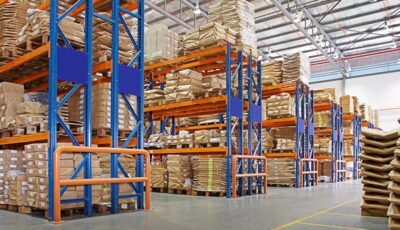
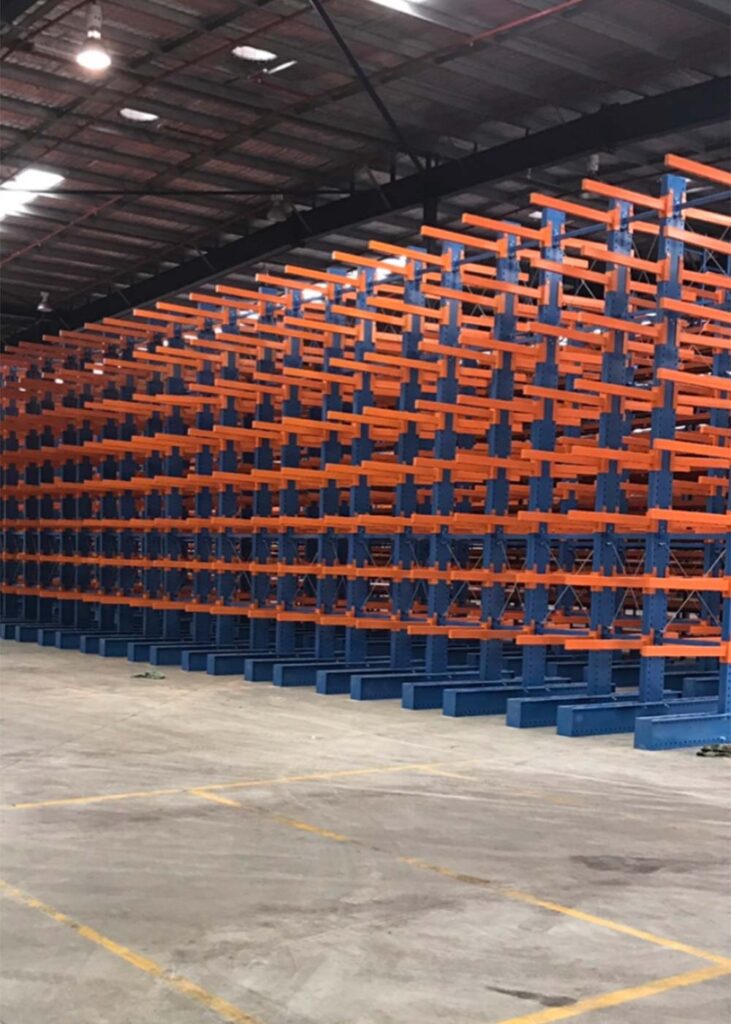
When a business moves warehouse, existing pallet racking can often be dismantled and relocated to the new site, reconfigured to suit the new layout, sold or bought back if it is no longer required.
The right option depends on the condition of the racking, the new warehouse dimensions, storage requirements and the cost of dismantling, transport and reinstallation.
Can Existing Pallet Racking Be Moved?
In many cases, yes.
Commercial pallet racking is assembled from individual components, which means suitable systems can often be carefully dismantled, transported and installed again in another warehouse.
However, moving racking is not simply a matter of taking it apart and rebuilding it exactly as it was.
The new warehouse may have:
- different ceiling heights
- different column positions
- different access points
- different floor space
- different forklift requirements
- different storage volumes
The existing racking therefore needs to be assessed against the new warehouse rather than automatically copied from the old layout.
Should You Reuse or Replace Your Pallet Racking?
Reusing existing racking can make good financial sense when the equipment is in suitable condition and works with the new warehouse.
Before deciding, consider:
- the age and condition of the racking
- whether components have been damaged
- the new warehouse dimensions
- pallet sizes and weights
- required storage capacity
- future growth
- the cost of dismantling and reinstalling the system
Sometimes most of the existing racking can be reused with additional components.
In other cases, combining existing equipment with new racking can provide a better result.
What Happens During Pallet Racking Removal?
The first stage is planning.
Stock normally needs to be cleared from the relevant sections before the system can be dismantled.
The racking can then be systematically taken down so reusable components are protected and organised for transport.
This process may include removing:
- beams
- upright frames
- bracing
- rack protection
- signage
- anchors and fixings
Once the racking has been removed, fixing points and any damage to the concrete floor may also need attention as part of the warehouse make-good.
Can the Same Racking Layout Be Used in the New Warehouse?
Not necessarily.
A warehouse relocation is a good opportunity to reconsider the storage layout rather than automatically recreate the previous warehouse.
Perhaps the old warehouse had:
- wasted aisle space
- poor forklift circulation
- unused vertical capacity
- difficult picking areas
- insufficient storage
- racking that no longer matched the product range
A new layout can take these issues into account.
The existing racking may still form the basis of the new system, but the configuration can be changed to work better with the new building.
What If You Don’t Need All the Existing Racking?
Businesses often discover that they have surplus equipment when they relocate.
The new warehouse may be smaller, use a different storage system or require fewer pallet positions.
Instead of disposing of usable racking, it may be possible to sell or trade suitable equipment through an equipment buy-back arrangement.
This can be particularly useful when a relocation also involves clearing the old warehouse for lease handover.
Surplus shelving, racking and other warehouse equipment can be removed while the equipment being retained is relocated to the new premises.
Don’t Forget the Old Warehouse
Moving the racking is only half the job.
If the old property is leased, removing warehouse equipment may form part of the tenant’s make-good obligations.
Once the racking has been dismantled, the old warehouse may require:
- anchor holes filled
- floors repaired
- line marking removed
- walls repaired or repainted
- electrical equipment removed
- general cleaning
- other refurbishment work
Managing the relocation and make-good together can simplify the project considerably.
Plan the New Warehouse Before Moving the Racking
The new warehouse should ideally be measured and planned before dismantling begins.
That allows the business to determine:
- which racking will be reused
- what additional equipment is required
- what can be sold
- how the new layout will work
- when installation should take place
It also allows pallet racking to be coordinated with other components of the warehouse fit-out.
That is particularly important where the project includes offices, mezzanines, goods lifts, flooring or other warehouse infrastructure.
One Contractor for Both Ends of the Move
Warehouse relocations can become complicated when one company dismantles equipment, another transports it, another installs it and another completes the old property’s make-good.
Complete Warehouse Solutions can manage both sides of the process.
That can include dismantling the existing warehouse, relocating suitable equipment, setting up the new facility and completing refurbishment or make-good work at the property being vacated.
In other words: setting it up and pulling it down.
Summary
Existing pallet racking does not automatically need to be replaced when a business moves warehouse.
Suitable racking can often be dismantled, transported and reused, although the new warehouse should be assessed before deciding on the final configuration.
A relocation is also an opportunity to improve the storage layout, dispose of surplus equipment and coordinate the old property’s make-good requirements.
Planning the racking as part of the complete warehouse relocation can save time, reduce duplication and help the new facility operate more effectively from the beginning.
Can pallet racking be dismantled and reused?
Yes, suitable pallet racking can often be dismantled and reinstalled, subject to its condition and suitability for the new warehouse.
Is it cheaper to move existing pallet racking or buy new racking?
It depends on the condition of the existing system, transport and installation costs, and whether it suits the new warehouse. In some projects, a combination of reused and new racking is the most practical solution.
What happens to pallet racking we no longer need?
Suitable surplus racking may be sold or included in an equipment buy-back arrangement rather than being discarded.
Do racking anchor holes need to be repaired when leaving a warehouse?
They may need to be repaired as part of the property’s make-good requirements. The exact work required depends on the lease and agreed handover condition.