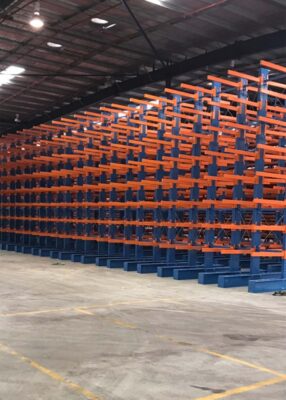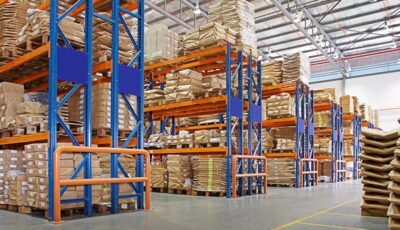
Warehouse racking should be checked regularly for damage and safe operation. In NSW, SafeWork advises that formal racking inspections be completed by a competent person at intervals not exceeding 12 months.
Cantilever racking should also be checked whenever it has been struck, damaged, relocated or altered, rather than waiting for the next scheduled inspection.
Why Cantilever Racking Inspections Matter
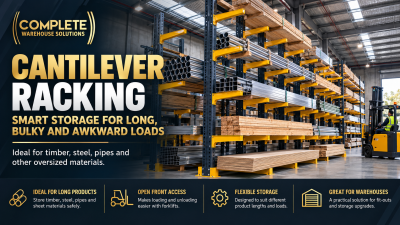
Cantilever racking is commonly used for long and bulky stock such as:
- timber
- steel
- pipe
- aluminium
- sheeting
- furniture
- building materials
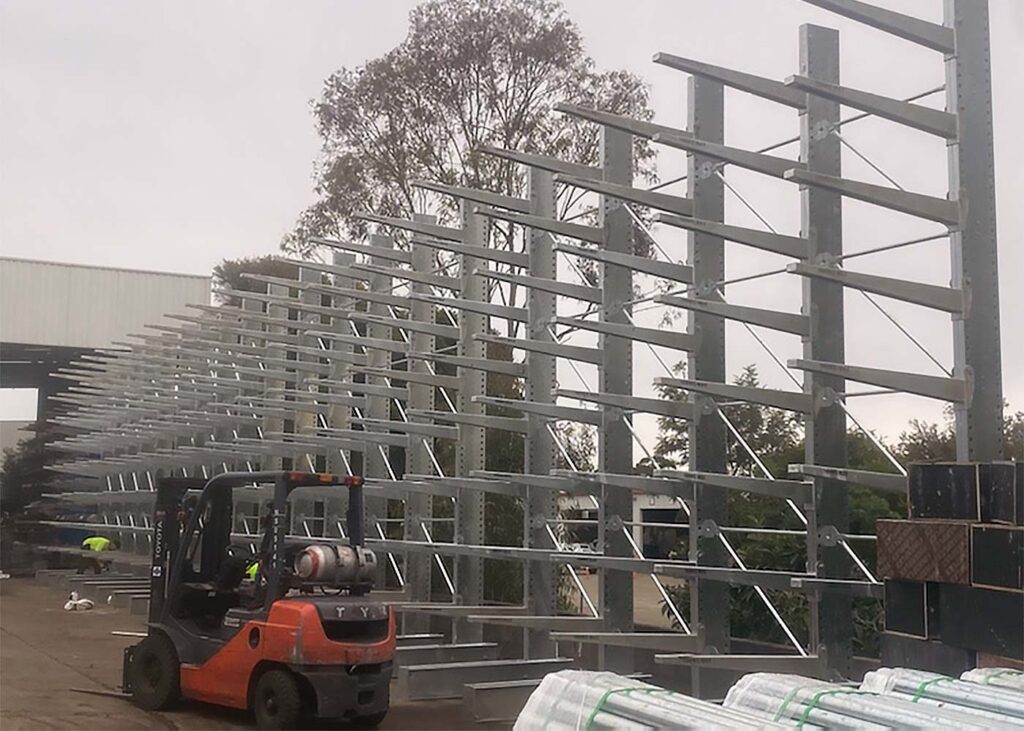
The system uses horizontal arms connected to vertical uprights, leaving the front open so long products can be loaded and retrieved easily.
That open design makes cantilever racking practical, but forklifts, heavy products and frequent loading can expose the structure to impact and wear.
Regular inspections help identify problems before they develop into more serious damage.
How Often Should Cantilever Racking Be Inspected?
There are really two types of inspection.
Regular Workplace Checks
Warehouse operators should be watching for obvious damage during normal operations.
If a forklift strikes an upright or arm, for example, the damage shouldn’t simply be left until an annual inspection.
Formal Racking Inspections
SafeWork NSW states that formal racking inspections should be undertaken by a competent person at intervals not exceeding 12 months.
The inspection frequency may need to be greater where the racking is exposed to frequent impacts, heavy use or other conditions that increase the likelihood of damage.
What Should Be Checked During a Cantilever Racking Inspection?
An inspection should consider the condition of the complete system rather than looking only at the cantilever arms.
Areas to examine include:
- uprights
- cantilever arms
- bases
- bracing
- connections and fixings
- anchors
- signs of forklift impact
- deformation or bending
- corrosion
- load signage
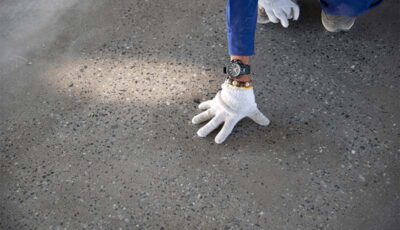
- floor condition around the rack
The products stored on the system should also be checked to ensure they are being supported and loaded in accordance with the rack design.
Who Should Inspect Cantilever Racking?
Routine visual checks can form part of normal warehouse operations.
Formal inspections, however, should be carried out by a competent person with the knowledge and experience required to assess the racking system. SafeWork NSW specifically uses this requirement for formal steel storage racking inspections.
CWS also states that annual inspections under AS 4084 should be performed by a competent person with relevant industry experience.
What Are Signs Cantilever Racking May Need Attention?
Warning signs can include:
- bent or distorted arms
- damaged uprights
- loose components
- damaged anchors
- obvious forklift impact
- corrosion
- leaning or misalignment
- damaged bracing
- loads positioned incorrectly
- loads exceeding the intended capacity
If racking has suffered significant impact or visible damage, the affected section should not simply remain in normal operation while waiting for the next annual inspection.
It should be assessed appropriately before continuing to be used.
What Happens If Racking Isn’t Inspected Regularly?
Small problems can be easy to miss in a busy warehouse.
Forklift impact, overloaded components or damaged connections can gradually compromise the condition of the system.
Regular inspection also creates an opportunity to identify whether the way the rack is being used has changed since it was originally installed.
For example, the warehouse may now be storing:
- heavier stock
- longer products
- different materials
- increased quantities
A rack designed for one application shouldn’t automatically be assumed suitable for another.
Can Cantilever Racking Be Modified After Installation?
Cantilever systems are highly configurable, and CWS can supply light, medium and heavy-duty arrangements in single- or double-sided configurations.
But modification should not simply mean moving arms or adding components without checking the implications for capacity and configuration.
Changes to the type, size or weight of stock may require the system to be reassessed.
Can Cantilever Racking Be Used Outdoors?
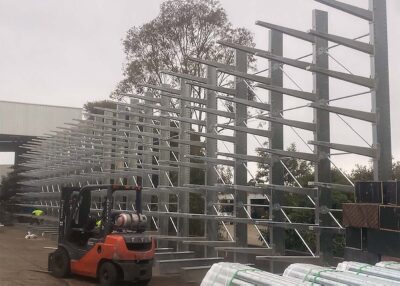
Yes, cantilever racking can be configured for outdoor applications.
Complete Warehouse Solutions notes that cantilever systems can be supplied in powder-coated finishes for indoor use or galvanised materials for outdoor storage.
Outdoor installations introduce additional exposure to weather and corrosion, making condition monitoring particularly important.
Inspection Is Part of Good Warehouse Management
Racking inspections shouldn’t be treated as a once-a-year box-ticking exercise.
Warehouse staff who work around the system every day are often the first people able to identify an impact or change in condition.
Combining regular observation with formal inspections provides a much better approach to managing warehouse racking over its working life.
Summary
Cantilever racking should be monitored regularly and formally inspected by a competent person at intervals not exceeding 12 months.
Damage from forklifts, bending, loose components, corrosion or changes in the loads being stored should be addressed when identified rather than waiting for the next scheduled inspection.
Proper inspection and maintenance help ensure the cantilever racking continues to suit the products, loads and operating conditions for which it is being used.
What safety considerations apply to cantilever racking?
The rack should be correctly designed for the loads being stored, installed appropriately, protected from avoidable impact and regularly inspected for damage.
What size cantilever rack do I need?
The correct size depends on product length, weight, load distribution, available warehouse space and the required storage capacity. CWS designs cantilever systems around the size, length, weight and type of material being stored.