Warehouse Fit-Out Costs Explained: What Businesses Should Expect
Warehouse fit-out costs can vary significantly depending on the size of the warehouse, the condition of the site and the scope of work required.
Whether you are moving into a new warehouse, expanding operations or upgrading an existing facility, understanding the factors that influence fit-out costs helps businesses budget more accurately and avoid unexpected expenses.
At Complete Warehouse Solutions, we specialise in setting it up and pulling it down. We manage warehouse fit-outs, relocations, refurbishments and make goods across Sydney, helping businesses focus on their operations while we handle the project.
Quick Answer
Warehouse fit-out costs depend on:
- warehouse size
- existing site condition
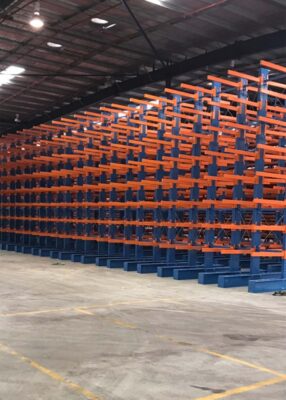
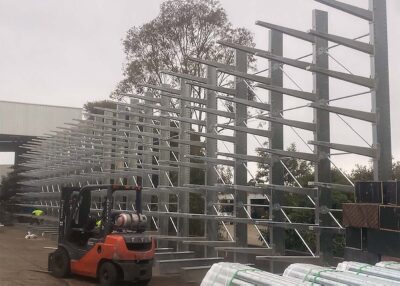
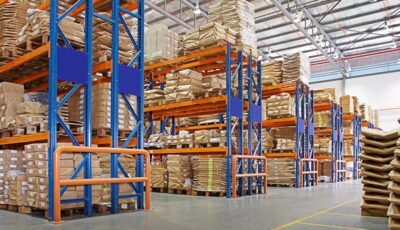
- pallet racking requirements
- office and amenities construction
- electrical and lighting work
- mezzanine installations
- relocation requirements
- refurbishment and make good works
Every project is different, which is why most warehouse fit-outs are assessed individually rather than priced using a standard rate.
What Factors Affect the Cost of a Warehouse Fit-Out?
Several factors influence the overall cost of a warehouse fit-out.
The biggest considerations are:
- total warehouse area
- storage requirements
- internal office construction
- access requirements
- electrical and data infrastructure
- existing building condition
A warehouse requiring extensive modifications will naturally cost more than a space that only needs racking and minor upgrades.
Warehouse Size and Layout Considerations
The size and layout of the warehouse have a direct impact on project costs.
Larger warehouses typically require:
- more pallet racking
- additional lighting
- greater electrical capacity
- larger office and staff facilities
Layout complexity also affects costs. Warehouses with unusual shapes, restricted access or specialised storage requirements often require additional planning and installation work.
Key Components Included in a Warehouse Fit-Out
A warehouse fit-out may include:
- pallet racking installation
- warehouse shelving systems
- mezzanine structures
- office construction
- lunchrooms and amenities
- electrical and lighting upgrades
- safety barriers and line marking
- warehouse signage
- storage system installation
Not every project includes all these elements, but most fit-outs involve a combination of these components.
Additional Costs Businesses Often Overlook
Many businesses focus on the visible fit-out costs and overlook other project expenses.
Common examples include:
- relocation costs
- equipment removal
- warehouse strip-outs
- waste disposal
- compliance upgrades
- repairs to existing infrastructure
- lease make good obligations
Identifying these costs early helps avoid budget surprises later in the project.
How to Budget for a Warehouse Fit-Out Project
The best approach is to start with a clear understanding of:
- current operations
- storage requirements
- staffing needs
- future growth plans
Businesses should also allow a contingency for unforeseen works, particularly when moving into older warehouse facilities.
A well-planned fit-out often reduces long-term operating costs by improving workflow, storage capacity and site functionality.
Tips to Reduce Warehouse Fit-Out Costs Without Sacrificing Quality
Businesses can reduce fit-out costs by:
- planning early
- reusing suitable equipment
- retaining existing infrastructure where practical
- selecting storage systems that support future growth
- working with a single provider to manage the project
Good planning usually delivers greater savings than cutting corners during installation.
Why Managing the Entire Project Can Save Money
Warehouse fit-outs often involve multiple contractors, suppliers and trades.
Managing these separately can create delays, communication issues and unexpected costs.
Using a single project partner helps coordinate:
- fit-outs
- relocations
- racking installation
- refurbishment works
- make goods
This often results in a smoother project and fewer disruptions to day-to-day business operations.
Summary
Warehouse fit-out costs vary depending on the warehouse size, layout, storage requirements and scope of works. The most effective way to control costs is through careful planning and project management.
By understanding the factors that influence pricing and working with experienced warehouse fit-out specialists, businesses can create a functional warehouse while avoiding unnecessary expenses.
What is a warehouse fit-out?
A warehouse fit-out is the process of preparing a warehouse for operation. This may include racking installation, office construction, electrical works, storage systems and site upgrades.
How much does it cost to fit out a warehouse?
Costs vary depending on the size of the warehouse and the work required. Most projects are individually assessed based on their specific requirements.
What is included in a warehouse fit-out?
Common inclusions are pallet racking, shelving, office areas, electrical work, lighting, safety systems and storage infrastructure.