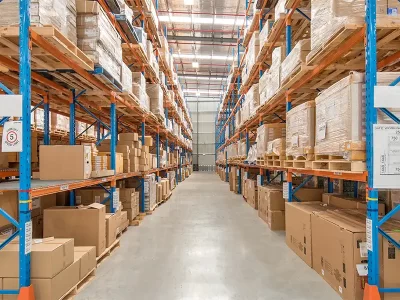
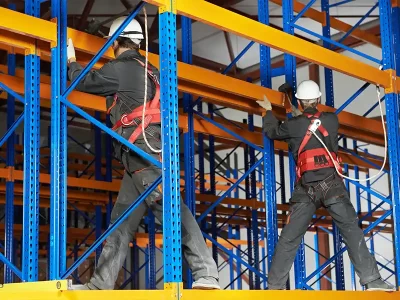
Installing pallet racking involves planning the warehouse layout, checking the floor and site conditions, assembling the uprights and beams, positioning and levelling the system, anchoring it correctly, fitting safety components and completing final checks before the racks are loaded.
Commercial warehouse racking needs to be installed to suit the products, pallet weights, forklifts and layout of the particular warehouse — not simply assembled wherever there is available floor space.
What Should Happen Before Installation Starts?
A good pallet racking installation starts before any steel is assembled.
The warehouse layout should already identify:
- pallet sizes and weights
- storage capacity required
- aisle widths
- forklift turning requirements
- doors and loading areas
- columns and building structures
- pedestrian routes
- available warehouse height
SafeWork NSW advises that workplace racking should be designed specifically for the size, shape and weight of the goods being stored and set up according to the manufacturer’s instructions.
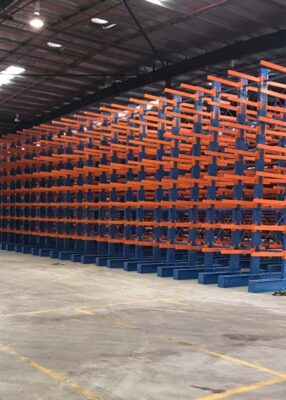
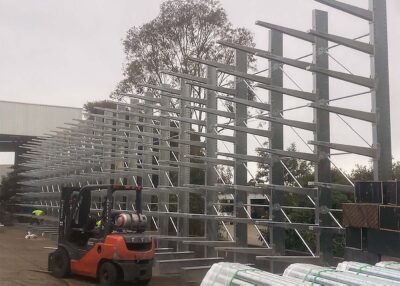
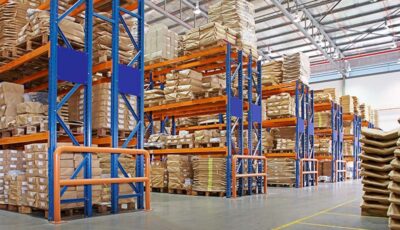
Complete Warehouse Solutions supplies both new and used systems, including selective, drive-in and cantilever racking, depending on the warehouse and storage requirement.
How Do You Prepare the Warehouse Floor?
The floor needs to provide a suitable base for the racking system.
Before installation, installers should check for issues such as:
- damaged or uneven concrete
- cracks or deterioration
- previous anchor holes
- obstructions
- floor levels
- existing services
The rack position should also be marked out according to the approved layout.
If racking is being installed as part of a complete warehouse fit-out, it makes sense to complete necessary floor repairs and other disruptive work before the storage system goes in.
What Tools and Equipment Are Needed?
The exact equipment depends on the size and height of the job, but commercial installation may involve:
- lifting equipment
- drills and suitable anchors
- levels and measuring equipment
- hand and power tools
- access equipment
- installation and layout drawings
- personal protective equipment
The equipment should suit the installation rather than improvising methods on site.
How Are Pallet Rack Uprights and Beams Assembled?
Upright frames are assembled from the vertical posts and bracing components specified for the system.
They are then positioned according to the warehouse layout before horizontal beams are installed at the required storage levels.
Beam positions need to suit the actual pallets and products being stored.
This is important because warehouse racking is not simply shelving. Changing beam heights, adding levels or altering the configuration can affect how the entire system performs.
How Is the Racking Levelled and Anchored?
Once positioned, the rack needs to be checked for alignment and verticality before it is secured.
SafeWork NSW identifies racking that is out of plumb as a potential indication of incorrect installation, impact, overloading or floor settlement. It also specifically includes floor fixings as an inspection item.
Anchoring therefore isn’t an optional final touch. It is part of the installed system.
The correct fixings, footplates and installation method need to follow the rack design and manufacturer’s requirements.
What Safety Components May Be Required?
Depending on the layout, a warehouse racking system may also require components such as:
- upright protection
- end-of-row protection
- backing mesh
- pallet backstops
- load signage
- barriers
SafeWork NSW recommends protection where frames are exposed to forklift or mobile-plant collisions and stresses the importance of separating people from moving equipment through good traffic planning.
CWS also highlights requirements under the current AS 4084 framework for areas such as rack protection, load signage and reconfigured systems.
What Should Be Checked Before the Racking Is Used?
Before stock is loaded, the completed installation should be checked against the intended design.
That includes examining:
- rack alignment
- beams and connectors
- anchors and footplates
- safety components
- load signage
- aisle clearances
- damage that may have occurred during installation
The loads then placed on the racks need to remain within the rated capacity of the installed system.
Can You Install Pallet Racking Yourself?
A small shelving unit and an industrial pallet-racking system are very different things.
Commercial racks may hold tonnes of stock above workers, forklifts and warehouse operations.
Professional installation provides confidence that the system has been erected according to the design, correctly anchored and configured for its intended loads.
It also gives the business a much clearer basis for future inspections, repairs or reconfiguration.
What Does Pallet Racking Installation Cost?
There isn’t one installation price.
Cost can depend on:
- number of bays
- rack height
- beam levels
- type of racking
- site access
- floor condition
- safety equipment
- whether existing racking must first be removed
- whether the warehouse remains operational during installation
The useful figure is the cost of the complete designed and installed storage system, not simply the labour required to bolt racks together.
Summary
Successful pallet racking installation starts with proper warehouse planning.
The floor, layout, pallet loads, forklifts and storage requirements all need to be understood before the uprights and beams are installed.
Correct positioning, anchoring, safety protection and final checks then help ensure the system works as intended once the warehouse becomes operational.
For Complete Warehouse Solutions, racking installation can also form part of a wider warehouse fit-out, relocation or storage-system upgrade.
What are the requirements for installing pallet racking?
The system should be designed for the products and loads being stored, installed according to the rack design and manufacturer’s requirements, correctly anchored and used within its rated capacities.
Can I install pallet racking myself?
For commercial warehouse systems, professional installation is recommended because incorrect assembly, anchoring or configuration can affect the safety and capacity of the system.
What Australian Standards apply to pallet racking?
SafeWork NSW references AS 4084.1:2023 for steel storage racking design and AS 4084.2:2023 for operation and maintenance.