
Pallet Racking Installation Explained: What Happens During the Process
Introduction
Installing pallet racking is more than assembling steel frames. A properly planned installation ensures your warehouse is safe, compliant and designed to support efficient day-to-day operations.
Whether you’re fitting out a new warehouse, expanding storage capacity or relocating to a new facility, pallet racking should be planned as part of the overall warehouse layout rather than treated as a standalone installation.
At Complete Warehouse Solutions, we supply and install pallet racking as part of complete warehouse fit-outs, relocations and refurbishment projects across Sydney.
Quick Answer
A pallet racking installation typically includes:
- assessing storage requirements
- measuring the warehouse
- designing the racking layout
- supplying the racking system
- professional installation
- safety inspections
- preparing the warehouse for operation
Step 1 – Assess Your Storage Requirements
Before selecting a racking system, it’s important to understand:
- the products being stored
- pallet dimensions
- pallet weights
- stock turnover
- forklift types
- available warehouse space
The right racking system depends on how your warehouse operates.
Step 2 – Design the Warehouse Layout
A good layout makes the best use of available space while maintaining safe access for forklifts and warehouse staff.
Planning normally considers:
- aisle widths
- ceiling height
- loading zones
- emergency access
- future expansion
Good planning reduces costly changes later.
Step 3 – Select the Right Racking System
Different warehouses require different storage systems.
Common options include:
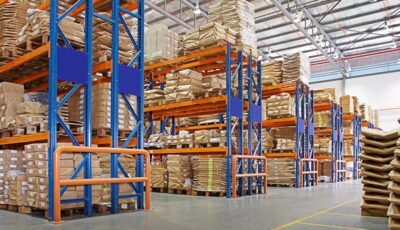
- selective pallet racking
- drive-in racking
- push back racking
- long span shelving
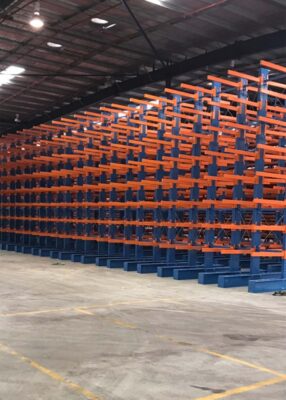
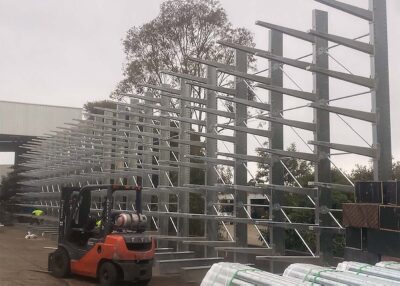
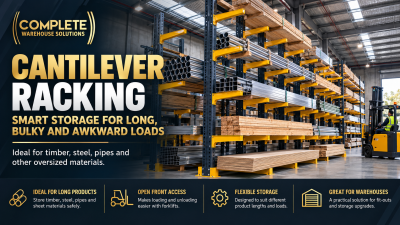
- cantilever racking
The choice depends on inventory, storage density and stock movement.
Step 4 – Professional Installation
Once the layout has been approved, installation begins.
This includes:
- assembling frames
- installing beams
- securing the system
- checking levels and alignment
- fitting safety accessories
Professional installation helps ensure the system complies with Australian Standards and manufacturer specifications.
Step 5 – Final Safety Checks
Before the warehouse becomes operational, the completed installation should be inspected.
Checks typically include:
- beam locking pins
- anchor bolts
- rack alignment
- load signage
- damage inspection
Routine inspections also help maintain long-term safety.
Why Installation Is Often Part of a Larger Warehouse Project
Pallet racking is rarely installed on its own.
It is commonly included as part of:
- warehouse fit-outs
- warehouse relocations
- warehouse refurbishments
- storage upgrades
Planning the racking alongside the rest of the project creates a more efficient warehouse from day one.
Summary
A successful pallet racking installation starts with good planning. Choosing the right storage system, designing an efficient layout and using experienced installers helps create a safer and more productive warehouse.
When completed as part of a warehouse fit-out or relocation, pallet racking becomes one element of a well-planned storage solution rather than simply another piece of equipment.
How long does pallet racking installation take?
The timeframe depends on the warehouse size, number of bays and complexity of the installation.
Can existing pallet racking be reused?
Yes. Many racking systems can be dismantled, relocated and reinstalled if they remain in good condition.
Does pallet racking need to comply with Australian Standards?
Yes. Pallet racking should be installed and maintained in accordance with relevant Australian Standards and manufacturer recommendations.
Should I install pallet racking myself?
Professional installation is recommended to ensure the system is safe, correctly aligned and compliant.