Quick Answer
Polished concrete floors are more durable, lower maintenance, and longer-lasting than tiles or timber, making them ideal for high-traffic commercial and warehouse environments.
Durability Comparison: Polished Concrete vs Tile vs Wood
In real use, polished concrete wins.
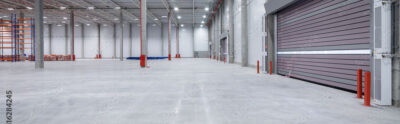
- Concrete: Handles forklifts, heavy loads, constant traffic
- Tiles: Crack under impact and movement
- Wood: Scratches, warps, and wears quickly in industrial settings
Most flooring failures in warehouses aren’t from age — they’re from impact. Concrete is built for that.
Maintenance and Cleaning: Which Flooring Is Easier to Care For?
Polished concrete is simple:
- Sweep
- Mop
- Done
No grout lines like tiles.
No sealing and refinishing like timber.
That’s why warehouses and industrial spaces default to it.
Cost Comparison and Long-Term Value
Upfront, polished concrete can be similar to tiles or timber.
But long term:
- No replacement cycles
- Minimal repairs
- Lower cleaning costs
It’s not the cheapest upfront — but it’s usually the cheapest over time.
Design Flexibility and Modern Aesthetic Appeal
Polished concrete isn’t just industrial anymore.
You can achieve:
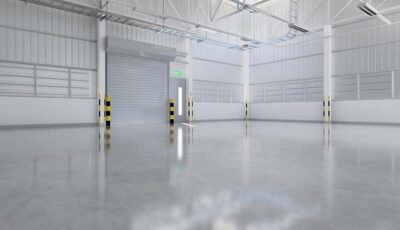
- Matte or high-gloss finishes
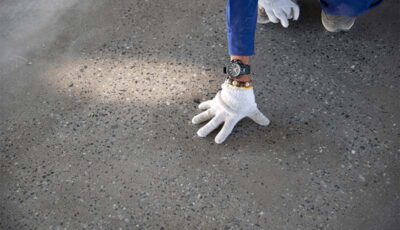
- Different aggregate exposure
- Clean, modern commercial look
That’s why it’s now used in:
- Showrooms
- Offices
- Retail spaces
Moisture Resistance and High-Traffic Performance
Concrete handles:
- Moisture
- Spills
- Temperature changes
- Constant traffic
Tiles can lift.
Wood can warp.
Concrete stays stable.
What is the best flooring to put over tile?
Polished concrete is often the best option if the existing slab is suitable, as it eliminates the need for overlays.
Are polished concrete floors still in style?
Yes — widely used in modern commercial, retail, and industrial spaces.