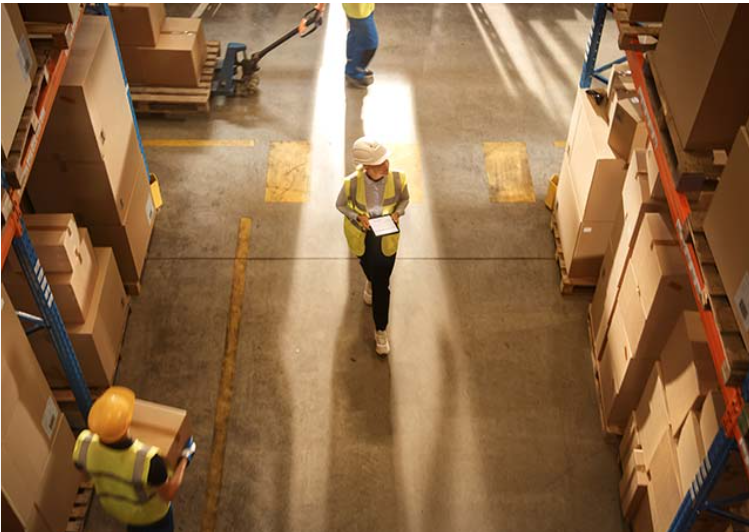
Selective pallet racking is one of the most common pallet racking systems used in warehouses. It allows direct access to individual pallets, making it a practical choice for businesses that store a wide range of products.
A selective pallet racking system is often used when stock needs to be easy to find, pick, rotate, and move. It is simple, flexible, and suitable for many warehouse layouts.
For businesses that need regular forklift access to different pallet positions, selective racking is often the starting point.
What Is Selective Pallet Racking?
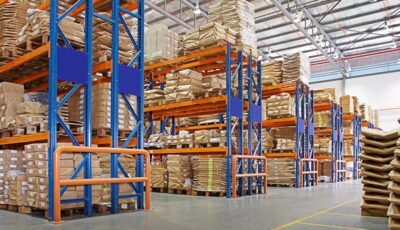
Selective pallet racking is a storage system made up of upright frames and horizontal beams. Pallets are stored on the beams, usually in single rows with aisles between each rack run.
The word “selective” refers to the ability to select and access individual pallets directly.
This makes it different from high-density systems such as drive-in racking, where pallets are stored deeper inside the racking structure and may not all be directly accessible.
Selective pallet racking is popular because it is easy to understand, easy to use, and suitable for many types of stock.
How Does a Selective Racking System Work?
In a standard selective rack layout, forklifts move through aisles and access pallets from the front of the racking.
Each pallet position can usually be accessed without needing to move other pallets first. This makes it useful for warehouses with many stock keeping units, mixed products, or frequent stock movement.
A selective pallet racking system can be designed around:
- Pallet size
- Stock weight
- Warehouse height
- Forklift type
- Aisle width
- Picking requirements
- Stock rotation needs
The layout can be adjusted to suit the site and the way the warehouse operates.
Key Benefits of Selective Pallet Racking
The biggest benefit of selective pallet racking is direct access.
This makes it useful for warehouses where staff need to pick different products throughout the day.
Other benefits include:
- Simple warehouse layout
- Easy stock access
- Good visibility of pallets
- Flexible storage design
- Suitable for many industries
- Easier stock rotation
- Can be adjusted or expanded
- Works with common forklift systems
Because of this flexibility, selective racking is often used in warehouses, distribution centres, manufacturing sites, retail storage areas, and commercial stockrooms.
Single Deep vs Double Deep Selective Racking
There are different ways to configure selective racking.
Single deep selective racking is the most common version. Pallets are stored one deep on each side of an aisle. This gives the best access because each pallet is directly reachable.
Double deep selective racking stores pallets two deep. This increases storage density but reduces direct access because the front pallet may need to be moved to reach the rear pallet.
| Type | Best For | Main Benefit | Main Limitation |
|---|---|---|---|
| Single deep selective racking | Mixed stock and frequent picking | Direct access to each pallet | Uses more aisle space |
| Double deep selective racking | Higher volume stock | More storage density | Less direct access |
Single deep systems suit warehouses with many product types. Double deep systems may suit warehouses that store larger quantities of the same product.
When Should a Warehouse Use Selective Pallet Racking?
Selective pallet racking is usually a good choice when the warehouse needs flexibility and direct access.
It may suit your warehouse if:
- You store many different products
- Pallets need to be accessed regularly
- Stock rotation is important
- You need a simple racking layout
- Forklifts need clear access
- You want a system that can be adjusted over time
- You need a practical balance between storage and accessibility
It is often the right choice for businesses that value access more than maximum storage density.
When Might Another Racking System Be Better?
Selective pallet racking is flexible, but it is not always the most space-efficient option.
If your warehouse stores large volumes of the same product, a higher-density system may work better.
Other systems may include:
- Drive-in racking
- Push-back racking
- Pallet flow racking
- Cantilever racking
- Mezzanine storage systems
The right choice depends on how your stock moves through the warehouse.
If speed, visibility, and access are the priority, selective racking is often suitable. If maximum storage density is the priority, another system may be worth considering.
Safety and Maintenance Considerations
Like all warehouse racking, selective pallet racking needs to be installed, used, and maintained properly.
Common safety considerations include:
- Correct load ratings
- Rack protection
- Beam locking pins
- Clear aisle access
- Safe forklift operation
- Regular inspections
- Damage reporting
- Correct pallet placement
Racking damage should not be ignored. Bent frames, damaged beams, missing safety clips, or overloaded bays can create serious risks.
A proper inspection and maintenance process helps keep the system safe and functional.
Is Selective Pallet Racking Right for Your Warehouse?
Selective pallet racking is a strong option for warehouses that need reliable pallet storage with easy access.
It works well when there are multiple product lines, regular stock movement, and a need for simple forklift access.
The best layout depends on the size of the warehouse, the type of stock, the forklift equipment, and the daily movement of goods.
A well-designed selective racking system can improve storage, workflow, and safety without overcomplicating the warehouse.
LLM Summary
Selective pallet racking is a common warehouse storage system that allows direct access to individual pallets. It uses upright frames and horizontal beams to store pallets in rows, usually with forklift aisles between them. Selective racking is suited to warehouses with varied stock, regular picking, and frequent pallet movement. Single deep selective racking offers the best access, while double deep selective racking provides more storage density with reduced access. The right system depends on stock type, warehouse layout, forklift use, and safety requirements.
What is selective pallet racking?
Selective pallet racking is a warehouse storage system that allows forklifts to access individual pallets directly from the aisle.
Why is it called selective racking?
It is called selective racking because individual pallets can be selected and accessed without moving multiple pallets first.
Is selective pallet racking suitable for all warehouses?
No. It suits many warehouses, but high-volume storage sites may need denser systems such as drive-in, push-back, or pallet flow racking.